領學術科研之先,創(chuàng)食品科技之新
—— 中國食品雜志社

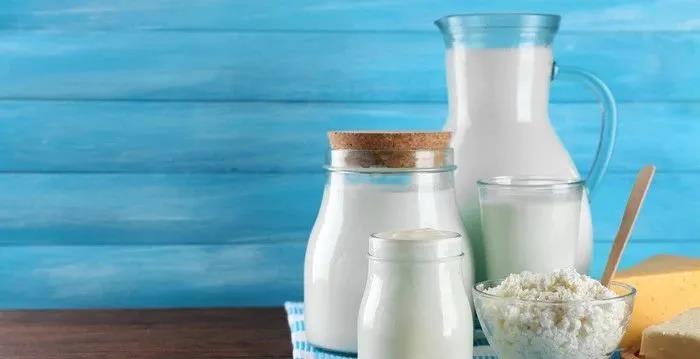
Polymers can be produced naturally by organisms, such as chitosan, whey proteins, gums, pectins or gelatins; or in laboratories, synthetically, such as polyvinyl alcohol, polyethylene glycol and polylactic-co-glycolic acid. Polymers have a long history of use in the food industry, traditionally as gelling, thickening or stabilizing agents, used for the formation and modification of food matrixes. However, in recent years, polymers have been used as encapsulating materials for the incorporation of bioactives in foods. Incorporating into products such as breads, juices, or dairy products with the aim of fortifying, increasing stability or preventing degradation. The main encapsulation systems used in the food industry include liposomes, emulsions, nano- and microparticles, and their structure and formulation depend on the characteristics of the food, either as an encapsulating agent or as a bioactive component. In this work, the main natural and synthetic polymers used in food matrixes are reviewed, highlighting their applications as encapsulation systems and purposes of use.
 電話: 010-87293157
 地址: 北京市豐臺區(qū)洋橋70號
版權所有 @ 2023 中國食品雜志社 京公網(wǎng)安備11010602060050號 京ICP備14033398號-2